

Volunteer in Tel Aviv: Programs, Housing, Daily Life & Costs
Most volunteers who come to Israel end up in Tel Aviv. Not because every program operates there, but because Tel Aviv hosts the largest concentration of volunteer opportunities. Beach culture meets serious work. Cosmopolitan environment with Middle Eastern intensity.
The city sprawls along the Mediterranean with neighborhoods ranging from wealthy North Tel Aviv to working-class South Tel Aviv where most volunteers live. Programs place volunteers across the city based on work assignments. Housing fills South Tel Aviv apartments walking distance from volunteer placements.
Volunteers work morning or afternoon shifts, then head to beaches or cafes. The rhythm differs from Jerusalem’s religious intensity or smaller cities’ quieter pace. Tel Aviv volunteer programs balance intensive work with recovery time the city naturally provides.
What Volunteer Programs Operate in Tel Aviv
Emergency Medical Services with Magen David Adom
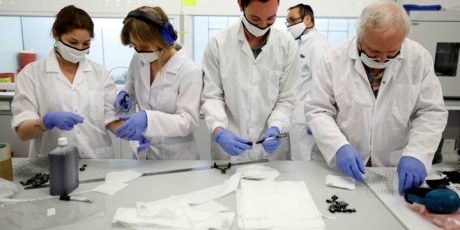
The MDA EMT program represents Tel Aviv’s most intensive volunteer option. Two weeks of emergency medical training in the city, then four weeks working ambulance shifts across Tel Aviv’s stations. Volunteers respond to real calls alongside professional EMTs and paramedics.
Training happens at MDA’s Tel Aviv center. Classroom instruction, practical skills, scenario-based exercises. The city provides endless real-world exposure during ride-alongs. Volunteers see how urban emergency medicine works in a city where response times measure in minutes.
Tel Aviv stations handle high call volumes compared to smaller cities. More cardiac events, more accidents, more variety. Volunteers gain comprehensive experience but face faster pace. The program attracts pre-med students and those serious about emergency medicine careers.
Teaching and Education Programs
English teaching programs in Tel Aviv place volunteers in schools across the metropolitan area. Elementary classrooms in South Tel Aviv. Middle schools in Jaffa. After-school programs in various neighborhoods.
Volunteers work 20-25 hours weekly during school terms. Mornings in classrooms assisting regular teachers. Afternoons leading conversation clubs or tutoring individuals. The work requires energy for classroom management and patience for language barriers.
Tel Aviv schools serve diverse populations. Students from Ethiopian Israeli families. Russian-speaking immigrant children. Arabic-speaking communities in mixed neighborhoods. Teaching here exposes volunteers to Israel’s demographic complexity in ways other volunteer work doesn’t.
Multi-Sector Volunteer Programs
Six-week volunteer programs rotate participants through different service areas. Two weeks in agricultural communities outside Tel Aviv. Two weeks in social services within the city. Two weeks in education or other sectors based on volunteer interests and organizational needs.
The rotation model shows volunteers multiple aspects of Israeli society. Kibbutz work provides physical labor and rural community experience. Social services reveal urban poverty and support systems. Education placement demonstrates Israel’s school system challenges.
Tel Aviv serves as the base between rotations. Volunteers return to city housing between placements. The setup provides variety for those who want broad experience rather than deep specialization in one area.
Where Volunteers Live in Tel Aviv
Housing Neighborhoods
Volunteer housing concentrates in central Tel Aviv neighborhoods that balance affordability with proximity to volunteer sites. Florentin attracts the younger crowd with its street art and nightlife. Shapira offers quieter living near Levinsky Market. Areas around Rothschild Boulevard provide tree-lined streets and café culture.
Most apartments house 2-4 volunteers in shared spaces. Living rooms convert to bedrooms. Kitchens fit small dining tables. Bathrooms accommodate morning rush schedules. The spaces prioritize function over luxury but provide everything volunteers need for several months.
Every building in Tel Aviv includes a protected space (mamad) – reinforced room serving as bomb shelter. Volunteers learn locations during orientation. The rooms stay accessible but function as storage or extra bedroom space most of the time. Security infrastructure blends into normal life.
Getting Around the City
Tel Aviv operates extensive bus networks connecting all neighborhoods. Dan company runs most routes with buses every 10-15 minutes during peak hours. Volunteers buy monthly passes (Rav Kav cards) for unlimited travel around the metropolitan area.
Many volunteers walk or bike to volunteer sites. The city measures about 5 kilometers from north to south along the coast. Flat terrain makes cycling practical year-round. Bike lanes connect major neighborhoods though Israeli drivers require defensive riding awareness.
Housing placement considers volunteer site locations when possible. EMT volunteers often live near MDA stations. Teaching volunteers get placed within bus range of their schools. Multi-sector programs cluster volunteers in central locations accessible to rotation sites.
Daily Life as a Volunteer in Tel Aviv
Typical Weekly Schedule
Most volunteer programs in Tel Aviv run Sunday through Thursday following Israel’s work week. Friday and Saturday form the weekend with Shabbat observance affecting city rhythm. Services shut down Friday afternoon through Saturday evening across much of the city.
Morning shift volunteers wake around 6:30 AM. Quick breakfast at apartment. Bus or bike to volunteer site by 7:30 or 8:00 AM. Work until early afternoon. Free time for beach, exploration, or rest. Afternoon shift volunteers enjoy leisurely mornings then work into evening.
Evenings belong to volunteers for personal time. Beach walks along the promenade. Dinner at Carmel Market or local restaurants. Meeting other volunteers at Rothschild bars or Florentin clubs. The city provides constant entertainment options without requiring much planning.
Free Time Activities
The Mediterranean Sea shapes Tel Aviv volunteer experience. Beaches run the entire western edge of the city. Gordon Beach for swimming. Banana Beach for volleyball. Hilton Beach for surfing. Most volunteers hit the beach several times weekly after volunteer shifts.
Markets define Tel Aviv’s cultural character. Carmel Market sells fresh produce, spices, prepared foods at prices locals pay. Levinsky Market specializes in Middle Eastern ingredients and coffee. Jaffa Flea Market offers vintage items and overpriced tourist crafts. Volunteers learn which markets serve which purposes.
Neighborhood exploration fills volunteer free time. Neve Tzedek’s narrow streets and boutiques. Jaffa’s ancient port and art galleries. Sarona Market’s food stalls. White City architecture tours. Museums like Palmach and Eretz Israel. The city rewards curious wandering.
Social Life and Volunteer Community
Tel Aviv hosts dozens of international volunteers at any given time. Masa programs overlap with other organizations bringing young adults for similar experiences. The volunteer community forms naturally through housing proximity and shared activities.
Programs organize some group events but volunteers mostly self-organize. Apartment dinners where everyone contributes ingredients. Beach days with ten volunteers from different programs. Bar crawls through Florentin on Thursday nights. Shabbat dinners for those interested in traditional observance.
The city’s size creates anonymity unlike smaller communities. Volunteers need to take initiative forming connections. Those who engage actively build strong friend groups. Those who stay passive may feel isolated despite being surrounded by potential friends. Tel Aviv doesn’t automatically provide community – it provides opportunity for community.
Costs Beyond Program Fees
Monthly Living Expenses
Tel Aviv ranks as one of the world’s most expensive cities. Volunteers need realistic budgets beyond program fees. Food costs run $400-600 monthly depending on eating habits. Cooking at home versus restaurants makes significant difference.
Transportation adds $50-70 monthly for bus passes. Entertainment and activities range from $100-300 based on social habits. Beach time costs nothing. Museum entry runs $10-15. Bar nights easily reach $40-50. Volunteers control these costs through choices.
Phone service costs $15-25 monthly for local SIM cards with data. Most volunteers buy prepaid plans from Orange, Cellcom, or Partner. WiFi in apartments handles most communication needs. Data plans cover mapping and messaging while exploring the city.
Shopping and Food Strategies
Carmel Market offers best value for fresh produce and staples. Vegetables cost half supermarket prices when buying from market vendors. Prepared foods – falafel, shawarma, sabich – provide filling meals for $5-7. Markets close Friday afternoon through Saturday evening for Shabbat.
Budget supermarkets include Shufersal Deal, Yeinot Bitan, and Rami Levy. Regular Shufersal and Mega charge 20-30% more. Volunteers learn which chains operate in their neighborhoods and price accordingly. Many apartments share bulk purchases of rice, pasta, and cooking oil.
Restaurant meals cost $15-25 per person at casual places. Coffee shops charge $4-5 for lattes. Street food provides best value – $6-8 fills you up. Volunteers eating out regularly need higher budgets. Those cooking most meals keep food costs manageable even in expensive Tel Aviv.
Total Budget Estimate
For 6-week programs in Tel Aviv:
- Program fee: $300-400 (after grants)
- Roundtrip flights: $800-1,200
- Food (6 weeks): $600-900
- Transportation: $80-100
- Phone: $25-40
- Activities/entertainment: $150-450
Total estimated cost: $2,000-3,100 for complete 6-week Tel Aviv volunteer experience including flights and all living expenses.
Challenges Specific to Tel Aviv
Heat and Climate Adjustment
Summer temperatures in Tel Aviv regularly hit 85-95°F (29-35°C) with high humidity from the Mediterranean. Volunteers arriving May through September face immediate climate shock. Walking to volunteer sites in morning heat. Working in schools without air conditioning. Sleeping in apartments where AC costs prohibitive amounts.
Most volunteers acclimate within two weeks but the adjustment period affects everyone. Drink significantly more water than seems necessary. Seek shade during midday hours. Plan outdoor activities for early morning or evening. The beach provides natural cooling but also sun exposure requiring sun protection.
Winter brings different challenges. December through February sees rain and temperatures dropping to 50-60°F (10-16°C). Most buildings lack central heating. Wind off the Mediterranean makes it feel colder. Volunteers need warm layers for indoor spaces and weatherproof gear for walking.
Cost of Living Pressure
Tel Aviv’s expense level shocks most volunteers. Everything costs more than expected. Coffee that’s $3 in America runs $5 in Tel Aviv. Restaurant meals double in price. Entertainment options tempt constantly but drain budgets quickly.
Volunteers on tight budgets face hard choices. Skip beach bar outings to save money. Cook at home while friends eat out. Choose free activities while others pay for clubs and concerts. Financial stress affects volunteer experience when money runs low.
Successful volunteers budget carefully from the start. Track spending weekly. Set limits for different expense categories. Find free or cheap activities the city offers. Beach time, market wandering, neighborhood exploration, park picnics – Tel Aviv provides plenty that costs nothing.
Navigating Security Awareness
Tel Aviv operates under security conditions most volunteers haven’t experienced. Armed guards at malls and train stations. Bag checks entering public buildings. Red Alert sirens warning of incoming rockets. Security measures become normal background noise but require initial adjustment.
All volunteers download Red Alert app providing 90-second warnings. Every building has protected space. Residents know procedures instinctively. Volunteers learn through orientation and observation. Most days nothing happens. Some days sirens sound and everyone moves to shelters briefly.
The security situation affects different volunteers differently. Some find it manageable background concern. Others experience ongoing anxiety. Programs provide support for both perspectives but volunteers need personal assessment of comfort level with security environment.
Tel Aviv vs. Other Israeli Cities for Volunteers
| Factor | Tel Aviv | Jerusalem | Haifa |
|---|---|---|---|
| Program Variety | Widest selection across all sectors | Focus on education, social services | Limited options, mainly healthcare |
| Social Scene | Beach culture, nightlife, cosmopolitan | Religious sites, quieter evenings | Small, close-knit volunteer community |
| Cost of Living | Highest in Israel | 15-20% less than Tel Aviv | 25-30% less than Tel Aviv |
| Climate | Mediterranean, humid summers | Hills, cooler winters, dry heat | Similar to Tel Aviv, less intense |
| Transportation | Excellent buses, no Shabbat service | Light rail + buses, limited Shabbat | Buses operate Shabbat (only Israeli city) |
| Cultural Character | Secular, liberal, diverse backgrounds | Religious significance, mixed populations | Arab-Jewish coexistence, industrial port |
| Weekend Options | Beach, cafes, secular Tel Aviv stays active | Everything closes for Shabbat | Mixed – some areas active, others quiet |
Who Chooses Tel Aviv Volunteer Programs
Best Fit Volunteers
Tel Aviv attracts volunteers seeking urban experience alongside meaningful work. Those who want beach access after intensive volunteer shifts. People comfortable in cosmopolitan environments with diverse populations. Volunteers who prefer abundant social options and entertainment choices.
The city suits extroverted volunteers who make connections easily. Social opportunities exist constantly but require initiative to pursue. Introverted volunteers can thrive but need intentional effort building smaller friend groups. The anonymity of large city cuts both ways.
Budget-conscious volunteers face challenges in Tel Aviv. Those with financial cushion enjoy the city’s offerings without stress. Those on tight budgets need discipline avoiding temptation. Jerusalem or Haifa might serve budget-limited volunteers better with lower costs overall.
Consider Alternatives If
Jerusalem makes more sense for volunteers prioritizing religious or historical connection to Israel. The city’s spiritual significance and archaeological sites attract those interested in Jewish heritage specifically. Volunteers seeking quieter, more reflective experience often prefer Jerusalem’s pace.
Smaller cities like Haifa or Beer Sheva offer tight-knit volunteer communities. Everyone knows each other. Programs feel more intimate. Costs run significantly lower. Volunteers wanting family atmosphere rather than urban anonymity should consider these alternatives.
Rural volunteer placements on kibbutzim or moshavim provide entirely different experiences. Agricultural work in small communities. Nature access over city amenities. Simpler living with fewer distractions. Those seeking break from urban life might skip Tel Aviv entirely.
Practical Tips from Past Volunteers
Before You Arrive
Bring less than you think you need. Tel Aviv has everything available for purchase. Extra clothes weigh down luggage without adding value. One suitcase suffices for 6-8 week programs. Laundry facilities exist in all housing.
Pack sun protection essentials – good sunscreen costs twice as much in Israel. Comfortable walking shoes matter more than fancy outfits. Tel Aviv operates casually. Volunteers wear athletic shorts and t-shirts most days. Save luggage space for practical items.
Download WhatsApp before departure – Israel runs on it for all communication. Get phone unlocked to accept local SIM cards. Bring international credit card with no foreign transaction fees. Notify bank of travel dates to avoid card blocks.
First Week Priorities
Get local SIM card immediately – available at airport or any phone store. Orange, Cellcom, and Partner all offer tourist plans. Data enables mapping navigation essential for getting around. WhatsApp requires local number for most group chats.
Buy Rav Kav transportation card at any kiosk or train station. Load it with money or monthly pass depending on usage plans. Tap on buses entering and exiting. System deducts fares automatically. Card works across entire country for buses and trains.
Locate your neighborhood essentials – supermarket, pharmacy, ATM, nearest protected space. Walk around daylight hours mapping the area. Tel Aviv neighborhoods differ significantly in character. Understanding immediate surroundings reduces stress of first days.
Making the Most of Free Time
Join volunteer group activities early to build connections. First weeks determine social circles for many volunteers. Those who engage immediately form stronger networks. Those who wait often struggle catching up socially.
Explore different beach sections – each has distinct character. Gordon Beach for families and swimming. Hilton Beach for sports and gay-friendly atmosphere. Banana Beach for younger crowds. Religious beach separates genders on certain days. Find your preferred spot.
Take advantage of Tel Aviv’s position for weekend trips. Jerusalem 45 minutes by bus. Dead Sea 90 minutes. Haifa 90 minutes. North to Galilee or south to Eilat both work for long weekends. The city serves as perfect base for exploring entire country.
FAQ: Volunteering in Tel Aviv
What volunteer programs are available in Tel Aviv?
Tel Aviv hosts EMT programs with Magen David Adom, teaching and education programs, agricultural rotations, and multi-sector programs combining different volunteer work. Programs run 6 weeks to 10 months depending on focus. Most Masa volunteer programs operate in Tel Aviv or include Tel Aviv components.
Where do volunteers live in Tel Aviv?
Volunteers live in shared apartments in central Tel Aviv neighborhoods including Florentin, Shapira, and areas near Rothschild Boulevard. Housing includes 2-4 roommates, full kitchens, and safe rooms for security. Apartments locate within walking distance or short bus rides from volunteer placements.
How much does it cost to volunteer in Tel Aviv?
Program fees range from $300 to $400 after grants for 6-8 week programs, plus flights ($800-1,200). Budget an additional $800-1,200 for food, local transportation, and activities during your stay. Total estimated cost: $2,000-3,100 for complete experience including all expenses.
Is Tel Aviv safe for volunteers?
Tel Aviv maintains strong security infrastructure with protected spaces in all buildings. Volunteers receive security briefings and access to Red Alert warning apps. The city functions normally with established emergency protocols. Security situation requires awareness but doesn’t prevent normal activities for most volunteers.
What’s daily life like for volunteers in Tel Aviv?
Volunteers typically work morning or afternoon shifts (4-6 hours), then have free time for beach, cafes, exploring neighborhoods, or group activities. The city offers constant social opportunities and cultural activities within walking distance of most housing. Work-life balance maintains sustainability for intensive volunteer programs.
What’s the volunteer community like in Tel Aviv?
Tel Aviv hosts the largest concentration of international volunteers in Israel. Multiple programs run simultaneously with overlapping cohorts. Volunteers meet through shared housing, program events, and natural social mixing. The community provides support network but requires individual initiative to engage fully.
Find Your Tel Aviv Volunteer Program
Explore EMT, teaching, and multi-sector volunteer opportunities in Tel Aviv. Programs run year-round with flexible start dates for participants ages 18-40.
Browse Volunteer Programs