
Tefilat HaDerech: The Jewish Traveler’s Prayer (Complete Text, Translation & Guide)
About to travel? For thousands of years, Jews have recited Tefilat HaDerech – the Traveler’s Prayer – before embarking on journeys. This ancient prayer asks for Divine protection and safe passage, whether you’re flying across oceans, driving cross-country, or taking any significant trip.
Today, you’ll see people quietly reciting Tefilat HaDerech in airports, at train stations, and before road trips. The words remain the same as they were when our ancestors traveled by foot and donkey, yet they still resonate for modern travelers seeking blessing and protection on their journeys.
The Complete Text of Tefilat HaDerech
Hebrew Text
יְהִי רָצוֹן מִלְּפָנֶיךָ ה’ אֱלֹהֵינוּ וֵאלֹהֵי אֲבוֹתֵינוּ, שֶׁתּוֹלִיכֵנוּ לְשָׁלוֹם וְתַצְעִידֵנוּ לְשָׁלוֹם וְתַדְרִיכֵנוּ לְשָׁלוֹם, וְתַגִּיעֵנוּ לִמְחוֹז חֶפְצֵנוּ לְחַיִּים וּלְשִׂמְחָה וּלְשָׁלוֹם. וְתַצִּילֵנוּ מִכַּף כָּל אוֹיֵב וְאוֹרֵב בַּדֶּרֶךְ, וּמִכָּל מִינֵי פֻּרְעָנִיּוֹת הַמִּתְרַגְּשׁוֹת לָבוֹא לָעוֹלָם. וְתִשְׁלַח בְּרָכָה בְּכָל מַעֲשֵׂה יָדֵינוּ, וְתִתְּנֵנִי לְחֵן וּלְחֶסֶד וּלְרַחֲמִים בְּעֵינֶיךָ וּבְעֵינֵי כָל רוֹאֵינוּ, וְתִשְׁמַע קוֹל תַּחֲנוּנֵינוּ, כִּי אֵל שׁוֹמֵעַ תְּפִלָּה וְתַחֲנוּן אָתָּה. בָּרוּךְ אַתָּה ה’, שׁוֹמֵעַ תְּפִלָּה.
English Transliteration
Yehi ratzon milfanekha, Adonai Eloheinu ve-lohei avoteinu, she-tolikhenu l’shalom v’tatz’idenu l’shalom v’tadrikhenu l’shalom, v’tagi’enu limhoz heftzenu l’hayim ul’simha ul’shalom. V’tatzilenu mi-kaf kol oyev v’orev ba-derekh, u-mi-kol minei pur’aniyot ha-mitrag’shot lavo la-olam. V’tishlah b’rakha b’khol ma’aseh yadeinu, v’tit’neni l’hen ul’hesed ul’rahamim b’einekha uv’einei khol ro’einu, v’tishma kol tahanunenu, ki El shome’a t’fila v’tahanun ata. Barukh ata Adonai, shome’a t’fila.
English Translation
May it be Your will, Lord our God and God of our fathers, that You should lead us in peace and direct our steps in peace, and guide us in peace, and support us in peace, and cause us to reach our destination in life, joy, and peace. Save us from every enemy and ambush along the way, and from all kinds of misfortunes that threaten to come to the world. May You send blessing upon the work of our hands and grant me grace, kindness, and mercy in Your eyes and in the eyes of all who see us. And may You hear the sound of our supplication, for You are God who hears prayer and supplication. Blessed are You, Lord, who hears prayer.
Note: If you plan to return home immediately, add after “in peace”: “and return us in peace.”
When to Say the Traveler’s Prayer
Understanding when to recite the traveler’s prayer ensures you’re saying Tefilat HaDerech at its proper time.
Distance Requirement
Say Tefilat HaDerech when traveling at least 2.36 miles (3.8 kilometers) outside your city’s halachic limits. This distance is called one “parsah” in Jewish law. The prayer is meant for significant journeys, not short errands or daily commutes.
Timing: When During Your Journey
Ideally, recite the prayer at the onset of your journey, shortly after leaving the city limits. The halachic city limit is defined as the point where there’s a gap of more than 70 2/3 amot (approximately 112 feet) between dwellings.
For practical purposes:
- If traveling by car, you can say it when leaving your house if you know you’ll definitely leave city limits
- Preferably say it within the first 2.8 miles of your journey
- If you forget, you can still say it anytime during the trip
- If you remember within 2.36 miles of your destination, recite it but skip the concluding blessing (“Baruch Ata…”)
For Air Travel
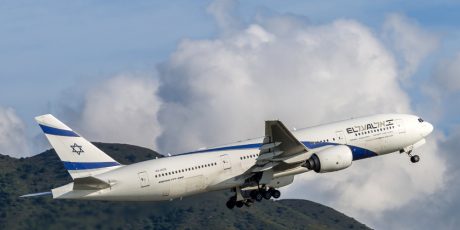
Flying presents unique timing considerations. Two common customs exist:
1. Say Tefilat HaDerech when leaving your home for the airport (if this takes you outside city limits)
2. Say it when the plane begins to taxi or during takeoff (more common custom)
The second approach is widely followed because takeoff is considered among the riskier moments of flight, and once airborne, the likelihood of returning significantly decreases.
Multi-Day Journeys
If your trip spans several days with overnight stops, say Tefilat HaDerech each morning when continuing your journey. Some customs suggest omitting God’s name in the concluding blessing on days after the first.
How to Recite the Traveler’s Prayer
Standing vs. Sitting
Ideally, recite Tefilat HaDerech while standing in one place. If you’re walking or driving, it’s best to pause momentarily. However, if stopping is inconvenient, unsafe, or you’re on a bus, train, or plane where standing is difficult, you may recite it while seated and traveling.
Individual Recitation
Unlike many blessings where you can fulfill your obligation by listening to someone else, Tefilat HaDerech should be recited individually. Each person says their own prayer. You can say it on behalf of others traveling with you, but you still use the singular form “titneini” (grant me) rather than plural.
The Unique Opening
Tefilat HaDerech is unusual because it doesn’t begin with the standard blessing formula “Baruch Atah” (Blessed are You). This has led to various customs:
Some people eat or drink something first and recite that blessing, then immediately continue with Tefilat HaDerech. Others use the bathroom and say the Asher Yatzar blessing first. However, these customs shouldn’t delay saying the prayer at its proper time – if you won’t have food or bathroom access early in your journey, say Tefilat HaDerech anyway.
Language
While traditionally recited in Hebrew, Tefilat HaDerech may be said in any language you understand. The key is sincerely asking for safe passage and Divine protection.
History and Origins of Tefilat HaDerech
The origins of Tefilat HaDerech are found in the Talmud, Tractate Berakhot 29b-30a. The prayer is attributed to Rabbi Yaakov, who formulated this supplication for travelers facing the genuine dangers of ancient roads.
In the time of the Talmud, travel was perilous. Bandits, wild animals, harsh weather, and difficult terrain threatened every journey. Rabbi Yaakov’s prayer addressed these real concerns while also asking for spiritual protection and Divine favor.
The prayer’s text has remained remarkably consistent over centuries, though minor variations exist between Ashkenazi and Sephardi traditions. Some communities include additional biblical verses after the main prayer, such as “L’shuatcha kiviti Hashem” (For Your salvation I hope, Lord) recited three times.
You can view the original Talmudic source and commentary at Sefaria: Berakhot 29b, which provides the foundational text for the Jewish traveler’s prayer.
What Tefilat HaDerech Means: Breaking Down the Traveler’s Prayer
Understanding each phrase of the traveler’s prayer deepens your intention when reciting Tefilat HaDerech.
“Lead us in peace and direct our steps in peace”
The prayer doesn’t just ask for safe arrival – it requests that the entire journey be peaceful. Four times the word “shalom” (peace) appears in the opening, emphasizing peace in every aspect: being led, walking, guided, and supported.
“Cause us to reach our destination in life, joy, and peace”
This phrase asks not merely for survival but for arriving with vitality (life), happiness (joy), and wholeness (peace). The journey shouldn’t diminish us but deliver us complete to our destination.
“Save us from every enemy and ambush along the way”
In ancient times, travelers faced real threats from bandits and highway robbers. Today we might interpret this as protection from accidents, delays, or any harm that could befall us during travel.
“And from all kinds of misfortunes that threaten to come to the world”
This broader request extends beyond personal safety to acknowledge global uncertainties and general dangers we cannot predict or control.
“May You send blessing upon the work of our hands”
Travel often serves a purpose – business, visiting family, volunteering, studying. This phrase asks that our travel’s purpose be blessed and successful.
“Grant me grace, kindness, and mercy in Your eyes and in the eyes of all who see us”
Beyond physical safety, this requests positive interactions with others during travel – helpful airline staff, kind strangers, smooth customs experiences, and favorable treatment wherever the journey takes us.
Tefilat HaDerech in Modern Jewish Life
Walk through any international airport and you’ll likely see Jewish travelers quietly reciting the traveler’s prayer. Tefilat HaDerech has seamlessly transitioned from ancient caravan routes to modern jetways.
Airport Customs
Many Jews have developed personal rituals around saying Tefilat HaDerech before flights. Some say it at the airport entrance. Others wait until boarding. Many recite it during the safety announcement or as the plane begins moving. The prayer takes less than a minute, making it easy to incorporate into pre-flight routines.
Technology and Tradition
Smartphone apps now provide easy access to Tefilat HaDerech in Hebrew, transliteration, and translation. Laminated cards fit in wallets. Despite these modern conveniences, the core practice remains unchanged – pausing before a journey to ask for Divine protection.
Study Abroad and Gap Year Programs
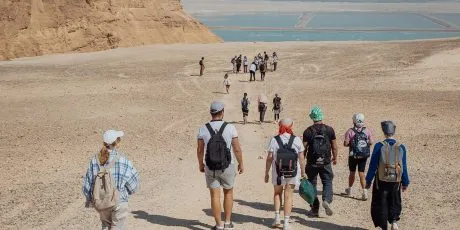
Jewish students heading to Israel for gap year programs or study abroad often say Tefilat HaDerech before their flights. For many, it’s their first time reciting the prayer independently, marking a transition to adult Jewish practice. Some continue saying it before weekend trips and adventures throughout their time abroad.
Travel Safety Today
While modern travel is statistically safer than ancient caravans, Tefilat HaDerech remains relevant. We still face uncertainties – weather delays, mechanical issues, traffic accidents, health emergencies abroad. The prayer acknowledges that despite our best preparations, we ultimately rely on Divine protection.
Frequently Asked Questions About Tefilat HaDerech
Do I say Tefilat HaDerech for short trips?
No. The prayer is only recited for journeys of at least 2.36 miles (one parsah) outside your city’s halachic limits. Daily commutes, errands, and short local trips don’t require Tefilat HaDerech.
What about my regular commute?
Even if your commute exceeds 2.36 miles, you don’t say Tefilat HaDerech for routine daily travel. The prayer is meant for journeys outside your normal routine and established areas.
Can I say Tefilat HaDerech in English?
Yes. While traditionally recited in Hebrew, you may say the prayer in any language you understand. What matters is sincerely requesting safe passage and understanding what you’re saying.
What if I forget to say it until I’m already traveling?
You can still recite Tefilat HaDerech anytime during your journey. However, if you remember when you’re within 2.36 miles of your destination, say the prayer but omit the concluding blessing (“Baruch Atah Hashem, shome’a tefila”).
Do women say Tefilat HaDerech?
Yes. Women recite Tefilat HaDerech just as men do when traveling the requisite distance.
What about return trips?
If you plan to return home immediately (same day or next day), add a phrase after “in peace”: “v’tachzireinu l’shalom” (and return us in peace). For longer stays, say Tefilat HaDerech again when beginning your return journey.
Do I say it every day on a long trip?
Yes. If you’re traveling for multiple days with overnight stops, say Tefilat HaDerech each morning when continuing your journey. Some customs modify the concluding blessing on subsequent days.
Can I say Tefilat HaDerech for others?
You can include others in your intention, but each person should ideally recite their own prayer. If saying it for others, still use the singular form “titneini” (grant me) rather than plural.
Travel to Israel with Masa
Whether you’re traveling for a week or embarking on an extended journey, Tefilat HaDerech connects us to thousands of years of Jewish travelers seeking safe passage and Divine protection.
Masa Israel Journey offers immersive programs in Israel for young adults ages 18-35. From 6 weeks to 10 months, participants volunteer, work, study, and explore while building lasting community in the Jewish homeland.
Explore Programs