You’re picturing Israel: ancient stone walls, religious sites, desert landscapes, historical significance. But here’s what surprises most first-time visitors—Israel has some of the most incredible beaches in the world.
We’re talking 170 kilometers of Mediterranean coastline with golden sand and turquoise water. The Dead Sea, where you float like a cork and cover yourself in mineral-rich mud. The Red Sea in Eilat, where coral reefs explode with color just meters from shore.
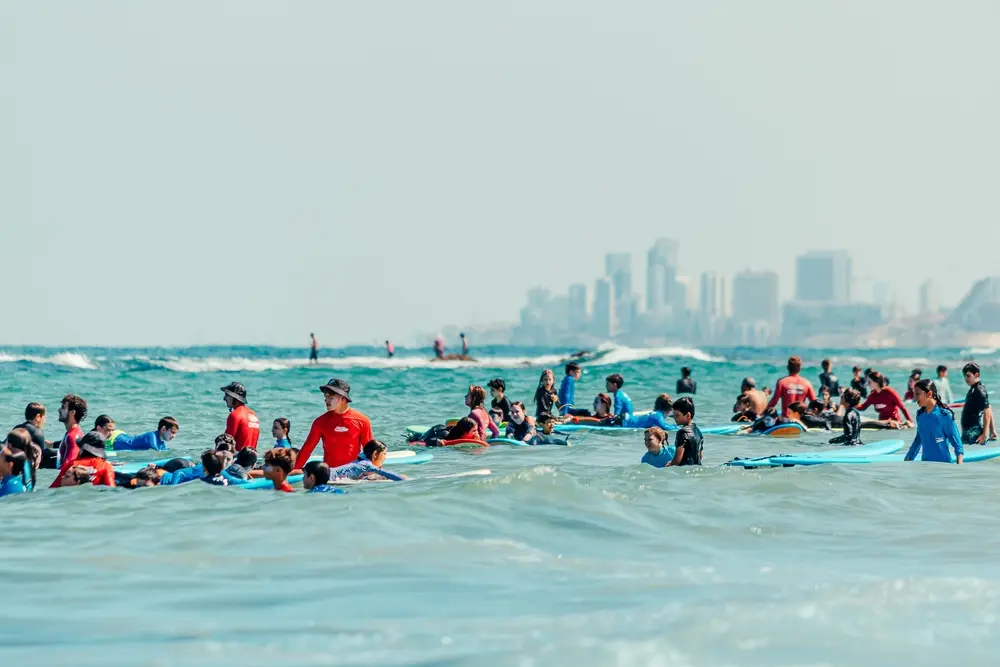
Israeli beach culture isn’t like other places. These aren’t just spots to sunbathe—they’re where Israeli life actually happens. Friday afternoons, the beaches fill with groups of friends drinking beer, playing matkot (Israel’s unofficial national sport—think beach paddleball that’s LOUD), blasting music, and staying until sunset. Beaches are free gyms, yoga studios, volleyball courts, drum circles, and social hubs all at once.
Whether you’re spending a summer in Tel Aviv through a program like Masa Israel, backpacking down the coast, or planning a week-long vacation, these are the 15 beaches you need to know about.
What Makes Israeli Beaches Different
Before we dive into the list, here’s what you should know about beach culture in Israel:
It’s a Lifestyle, Not Just a Vacation For Israelis—especially Tel Avivians—the beach isn’t something you visit occasionally. It’s part of daily life. People go before work, after work, on lunch breaks. Morning beach runs at 6am. Sunset yoga sessions. Late-night swimming in the summer.
Matkot is Everywhere That relentless thwack thwack thwack sound echoing across every beach? That’s matkot, Israel’s unofficial national sport. It’s beach paddleball with wooden paddles and a small rubber ball. Israelis play it for HOURS. It’s loud. It’s everywhere. You’ll either learn to love it or bring earplugs.
Free Beaches, Paid Amenities All Israeli beaches are public and free to access. You pay for umbrellas/chairs (₪20-40), but you can bring your own towel or mat for free. Most beaches have free showers, bathrooms, and lifeguards.
Lifeguards & Flags Israeli beaches use a flag system:
- White flag: Safe swimming
- Red flag: Dangerous conditions, swim at own risk
- Black flag: Swimming prohibited (dangerous currents, jellyfish, etc.)
Lifeguards are on duty during summer (April-October), typically 9am-5pm. Outside those hours/dates, you’re on your own.
Jellyfish Season July = jellyfish month. Mediterranean beaches get swarms of jellyfish (medusot in Hebrew). If you see jellyfish warnings, believe them. Stings are painful. August onward is usually clear.
Three Completely Different Seas Israel has coastline on THREE different bodies of water:
- Mediterranean Sea (west coast) – Classic beaches, Tel Aviv vibes
- Dead Sea (east) – Salt lake, floating, mud baths
- Red Sea (south, Eilat) – Coral reefs, snorkeling, tropical
Each offers a totally different beach experience.
Now, let’s get to the beaches.
MEDITERRANEAN COAST (Tel Aviv & Beyond)
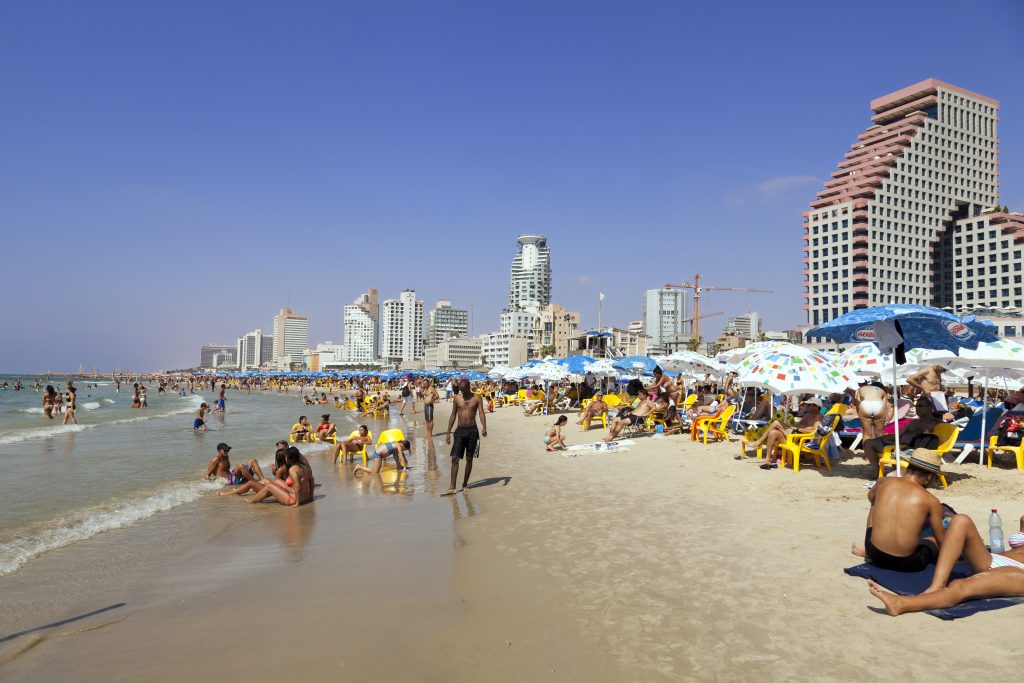
1. Gordon Beach, Tel Aviv ⭐⭐⭐⭐⭐
The Scene: The most famous beach in Tel Aviv. Party central. People-watching heaven.
Why It’s Great: Gordon Beach is where Tel Aviv happens. Volleyball nets, packed cafes, DJs spinning on Friday afternoons, and the iconic Ben Gurion statue doing a handstand on the boardwalk. The water is clean, the sand is soft, and the energy is unmatched.
This is THE beach for seeing and being seen. Bronzed bodies, designer sunglasses, Instagram photos, iced coffee culture. It’s also home to excellent swimming, with lifeguards on duty and relatively calm waters.
Vibe: Energetic, social, cosmopolitan
Best For: People-watching, volleyball, sunset drinks
Facilities: Showers, bathrooms, chair/umbrella rentals, cafes, bars
Crowd Level: Very high (especially weekends)
Getting There: Walk from central Tel Aviv (Herbert Samuel St), or bus to Gordon Beach stop
Local Tip: Go early morning (7-9am) for a completely different, peaceful vibe before the crowds arrive. Or go Friday afternoon for the full Tel Aviv experience—beer, music, everyone welcoming Shabbat by the sea.
2. Hilton Beach, Tel Aviv ⭐⭐⭐⭐⭐
The Scene: LGBTQ+-friendly, dog-friendly, surfer-friendly. The most inclusive beach in Tel Aviv.
Why It’s Great: Hilton Beach (named after the nearby Hilton Hotel) is actually several beaches in one. The northern section is known as the “gay beach”—Tel Aviv’s LGBTQ+ community has claimed this spot for decades, and it’s vibrant, welcoming, and fabulous. Rainbow flags fly proudly.
The southern section is dog beach, where Israelis bring their pets to run free and swim. The middle section attracts surfers—Hilton has some of the best waves in Tel Aviv because there are no breakwaters.
Vibe: Inclusive, laid-back, diverse
Best For: LGBTQ+ travelers, dog owners, surfers
Facilities: Showers, bathrooms, cafes
Surf School: Yes (check Hilton Beach Surf School)
Getting There: Walk along the promenade from central Tel Aviv, or take bus to Hilton Hotel
Local Tip: Friday afternoon at Hilton is legendary—drum circles form spontaneously, people dance, the sun sets over the Mediterranean, and it feels like the whole city exhales together.
3. Frishman Beach, Tel Aviv ⭐⭐⭐⭐
The Scene: Quieter than Gordon, more family-oriented, still central.
Why It’s Great: Frishman is Gordon’s slightly calmer older sibling. It’s still centrally located on Tel Aviv’s main beach strip, but it attracts more families and locals who want beach vibes without Gordon’s party energy.
The water is clean, shallow near shore (good for kids), and lifeguarded. Less crowded than Gordon but still has all the amenities.
Vibe: Relaxed, family-friendly
Best For: Swimming, families, reading a book on the beach
Facilities: Full amenities, showers, cafes
4. Alma Beach, Tel Aviv ⭐⭐⭐⭐
The Scene: Local secret, southern end of Tel Aviv, borderline between city and Jaffa.
Why It’s Great: Alma flies under the radar for tourists but locals love it. Located between the central beaches and Jaffa, Alma has a quieter, more neighborhood feel. The crowd skews local—families from nearby, young Israelis, fewer tour groups.
The beach itself is lovely: clean sand, good swimming, and right next door to some excellent beachfront restaurants (Manta Ray is iconic).
Vibe: Local, relaxed, slightly hidden gem
Best For: Escaping Tel Aviv tourist crowds while still being central
Facilities: Basic but sufficient
Nearby: Manta Ray restaurant (splurge-worthy for seafood)
Getting There: Walk south from central Tel Aviv beaches, or bike along the promenade
5. Ajami Beach, Jaffa ⭐⭐⭐⭐
The Scene: Historic Jaffa neighborhood, Arab-Israeli community, old-world charm meets beach.
Why It’s Great: Ajami Beach sits in the ancient port city of Jaffa (now part of Tel Aviv). This beach has a completely different feel from Tel Aviv’s main strip—quieter, more historical, with views of Jaffa’s old stone buildings and port.
The crowd is mixed: local Arab-Israeli families, artists from the Ajami neighborhood, and tourists who wandered down from Jaffa’s flea market. The swimming is excellent, and you’re steps away from Jaffa’s incredible food scene.
Vibe: Historic, multicultural, quieter
Best For: Combining beach with Jaffa sightseeing
Nearby: Jaffa Port, Jaffa Flea Market, Abu Hassan (legendary hummus)
Local Tip: Visit Ajami Beach after exploring Jaffa’s Old City. Bring cash for the amazing Arab bakeries and hummus spots nearby—no better way to end a beach day than with fresh pita and hummus overlooking the Mediterranean.
6. Palmachim Beach, Central Coast ⭐⭐⭐⭐⭐
The Scene: Nature reserve, sand dunes, pristine, uncrowded.
Why It’s Great: Palmachim is what Mediterranean beaches looked like before cities built up around them: natural dunes, native plants, no buildings in sight. It’s part of a nature reserve south of Tel Aviv, so development is restricted.
This is one of the most beautiful and LEAST crowded beaches near Tel Aviv. The sand is perfect, the water is clean, and you feel like you’ve escaped civilization (even though you’re 30 minutes from Tel Aviv).
Vibe: Natural, peaceful, pristine
Best For: Nature lovers, couples, escaping crowds
Facilities: Basic (parking, some shade, but bring supplies)
Getting There: Car recommended (30 min south of Tel Aviv)
Entrance: ₪35 per car
Local Tip: Bring everything you need (food, water, shade) because facilities are minimal. That’s part of the appeal—it feels wild and untouched.
7. Caesarea Beach, Northern Coast ⭐⭐⭐⭐⭐
The Scene: Ancient Roman ruins meet Mediterranean beach. Literally.
Why It’s Great: Caesarea is the most atmospheric beach in Israel. You’re swimming in the shadow of 2,000-year-old Roman aqueducts that stretch along the coastline. Behind you: Herod’s palace ruins, a Roman theater, ancient harbor walls.
The beach itself is lovely—clean sand, clear water—but what makes Caesarea special is the SETTING. It’s like swimming through history. The combination of archaeological wonder + beautiful beach is unmatched in Israel.
Vibe: Historical, romantic, surreal
Best For: History buffs, photography, unique experiences
Facilities: Full facilities, restaurants
Nearby: Caesarea National Park (ruins), restaurants
Getting There: Car (45 min north of Tel Aviv) or organized tour
Local Tip: Visit Caesarea National Park in the morning, have lunch at one of the harbor restaurants, then spend the afternoon at the beach. The aqueducts are especially photogenic at sunset.
8. Dado Beach, Haifa ⭐⭐⭐⭐
The Scene: Haifa’s main beach, Carmel Mountains as backdrop, locals’ favorite.
Why It’s Great: Dado Beach is where Haifa goes to relax. It’s a wide, clean, well-maintained Mediterranean beach with the added bonus of Haifa’s unique setting—the Carmel Mountain range rises dramatically behind the beach, creating stunning views.
Dado is less touristy than Tel Aviv beaches because Haifa itself attracts fewer beach-focused tourists. That means more space, more locals, and a genuine “Haifa” experience.
Vibe: Local, spacious, scenic
Best For: Escaping Tel Aviv crowds, mountain+sea views
Facilities: Full facilities, boardwalk, cafes
Nearby: Haifa’s German Colony, Baha’i Gardens
9. Achziv Beach, Far Northern Coast ⭐⭐⭐⭐⭐
The Scene: Nature reserve near Lebanese border, crystal-clear water, natural lagoons.
Why It’s Great: Achziv is as far north as you can go on Israel’s Mediterranean coast—you’re practically at the Lebanese border. This national park beach features protected lagoons, rocky coastline, and some of the clearest water on the Mediterranean coast.
The setting is spectacular: natural pools form between rocks, creating calm swimming areas even when the sea is rough. Families love it for the shallow, protected lagoons. Snorkelers love it for the rocky areas with fish.
Vibe: Natural, family-friendly, scenic
Best For: Natural pools, clear water, escaping civilization
Facilities: Basic park facilities
Entrance: ₪35 per adult
Getting There: Car (near Nahariya, 1.5 hours north of Tel Aviv)
Local Tip: Bring water shoes—the rocky areas are easier to navigate with foot protection. Also bring snorkel gear for exploring the lagoons.
DEAD SEA
10. Ein Bokek Beach, Dead Sea ⭐⭐⭐⭐⭐
The Scene: The famous “float experience,” luxury hotels, mud baths.
Why This Isn’t a Normal Beach: The Dead Sea isn’t a beach in the traditional sense—it’s an experience. At 430 meters below sea level (the lowest place on Earth), the water is 34% salt. You FLOAT effortlessly. You can sit upright in the water. It’s bizarre and unforgettable.
Ein Bokek is the main Dead Sea resort area: hotels line the shore, there are public beaches with showers and changing rooms, and everywhere you look, people are covered head-to-toe in black Dead Sea mud.
Why It’s Great:
- Floating is genuinely surreal (bring a book—classic Dead Sea photo)
- Mineral-rich mud is incredible for skin
- Therapeutic properties (people come for medical treatments)
- Desert backdrop is stunning
- Easy access from Jerusalem (1 hour drive)
What You Need to Know:
- DO NOT get water in your eyes or mouth—it BURNS intensely
- DO NOT shave before going—the salt will sting any cuts/scrapes
- Stay in the water for 10-15 minutes max (the minerals are intense)
- Shower IMMEDIATELY after—don’t let salt dry on skin
- Bring sandals (the shore can be rocky and salty-crusty)
- Free public beaches exist, but hotel beaches have better facilities
Vibe: Therapeutic, surreal, bucket-list experience
Best For: First-time visitors, unique experiences
Facilities: Full facilities at hotel beaches, basic at public beaches
Nearby: Masada (30 min drive), Ein Gedi (20 min)
Getting There: Car or organized tour from Jerusalem/Tel Aviv
Local Tip: Don’t wear jewelry—the salt will damage it. Bring a bottle of fresh water to rinse face immediately if you accidentally get salt water in your eyes. And yes, the mud is free (though hotels also sell fancy Dead Sea mud products).
11. Kalia Beach, Dead Sea (North) ⭐⭐⭐⭐
The Scene: Northern Dead Sea, closer to Jerusalem, more accessible.
Why It’s Great: Kalia is the most accessible Dead Sea beach from Jerusalem (only 30 minutes), making it perfect for day trips. It has better facilities than many Dead Sea beaches: freshwater pools, mud pits, shaded areas, and restaurants.
The beach is well-maintained, and because it’s privately run, the experience is more organized than free public beaches. You still get the full Dead Sea experience (floating, mud, weirdness) but with easier logistics.
Vibe: Family-friendly, organized, accessible
Best For: Day trips from Jerusalem
Entrance: ₪80-100 per adult (includes facilities)
RED SEA (Eilat)
12. Coral Beach, Eilat ⭐⭐⭐⭐⭐
The Scene: Coral reef snorkeling, nature reserve, underwater paradise.
Why It’s Great: Coral Beach is the BEST snorkeling in Israel, hands down. This nature reserve protects the northernmost coral reef in the world—and you can snorkel it just meters from shore.
Put on a mask and snorkel, swim out from the beach, and suddenly you’re floating above gardens of coral with hundreds of tropical fish darting around you. Parrotfish, angelfish, butterflyfish, groupers—the diversity is incredible. Clear turquoise water, warm year-round, and you don’t need scuba certification.
What You’ll See:
- 100+ types of coral
- 650+ species of fish
- Clear visibility (often 20+ meters)
- Turtles (if lucky)
- Octopus (hiding in rocks)
- Endless colorful reef fish
Vibe: Nature lovers, underwater paradise
Best For: Snorkeling, marine life, coral reefs
Entrance: ₪35 per adult (nature reserve fee)
Gear Rental: ₪30 for mask/snorkel/fins
Facilities: Showers, changing rooms, small cafe
Getting There: Bus 15 from Eilat city center, or taxi (10 min)
Local Tip: Go early (8-9am) before crowds and when morning light is perfect for underwater visibility. Bring underwater camera if you have one—this is the most photogenic snorkeling in Israel. Respect the reef (don’t touch coral), and watch for the bridges over the reef that give you access to deeper water without damaging shallow areas.
13. Dekel Beach, Eilat ⭐⭐⭐⭐
The Scene: Northern Eilat, floating beach bar, party vibes.
Why It’s Great: Dekel is Eilat’s “fun” beach. It has a floating beach bar where you can order drinks while literally IN the water. There’s beach volleyball, water sports, DJs on weekends, and a younger, social crowd.
The setting is beautiful: Red Sea mountains across the water in Jordan, clear turquoise water, and Eilat’s perpetual sunshine. Dekel combines beach relaxation with social energy.
Vibe: Social, fun, younger crowd
Best For: Making friends, beach volleyball, sundowners
Facilities: Full beach amenities, floating bar
14. Migdalor Beach (Lighthouse Beach), Eilat ⭐⭐⭐⭐
The Scene: Local favorite, good snorkeling, less touristy.
Why It’s Great: Migdalor (Hebrew for “lighthouse”) is where Israelis go when they want to skip the tourist beaches. It’s a free public beach with good snorkeling access—not as protected or pristine as Coral Beach Reserve, but free and less crowded.
You’ll see local families, backpackers, and long-term Eilat residents. It’s more laid-back, less organized, and feels authentic.
Vibe: Local, budget-friendly, laid-back
Best For: Budget travelers, avoiding tourist scenes
Facilities: Basic (showers, some shade)
Entrance: FREE
15. Princess Beach, Eilat ⭐⭐⭐⭐
The Scene: Adjacent to Coral Beach, slightly wilder, good diving.
Why It’s Great: Princess Beach sits right next to Coral Beach Nature Reserve but outside the protected area, which means free access to good (though not as pristine) coral reef snorkeling and diving.
Scuba diving schools use this beach for courses because you can access deep water quickly. Snorkelers enjoy it for the less-regulated vibe (you can swim wherever you want, unlike the protected zones in Coral Beach).
Vibe: Divers, adventurous snorkelers
Best For: Scuba diving, budget snorkeling
Entrance: FREE
Nearby: Dive schools, Underwater Observatory (tourist attraction)
Israel Beach Essentials
What to Bring:
✅ Towel or beach mat (Israelis bring rugs bought from the shuk for ₪40)
✅ Sunscreen (Israeli sun is STRONG)
✅ Hat and sunglasses
✅ Water (stay hydrated!)
✅ Cash for chair/umbrella rentals, beach cafes
✅ Matkot paddles (just kidding… unless?)
✅ Snorkel gear (if heading to Eilat)
What NOT to Bring:
❌ Glass bottles (officially banned, though enforcement varies)
❌ Valuables (there’s theft risk on crowded beaches)
❌ Expectations of empty beaches on summer weekends
Best Time to Visit:
Summer (June-September):
- Peak season
- Hot (30-35°C / 86-95°F)
- Water is warm
- Crowded, especially weekends
- Jellyfish in July (Mediterranean)
Spring/Fall (April-May, October-November):
- Perfect weather (25-30°C / 77-86°F)
- Fewer crowds
- Water still warm enough for swimming
- BEST TIME for beach in Israel
Winter (December-March):
- Mediterranean: Too cold for most (water ~18°C / 64°F)
- Dead Sea: Pleasant (winter is actually BEST for Dead Sea—summer is brutally hot)
- Eilat/Red Sea: Perfect (warm year-round, ~20-25°C / 68-77°F water)
Israel Beach Culture Survival Guide
Matkot: Accept that matkot is everywhere and inescapable. The thwack thwack thwack is the soundtrack of Israeli beaches. Don’t fight it. Maybe even try it.
Smoking: Smoking is still common on Israeli beaches, though attitudes are slowly shifting. Don’t be surprised to see people smoking near you even on crowded beaches.
Friday Afternoon Magic: Friday afternoon at the beach is when Israelis collectively exhale before Shabbat. People finish work early, head to the beach, and the vibe is celebratory. Drum circles form. Music plays. Beer flows. If you only hit the beach once in Israel, make it Friday afternoon.
Body Positivity: Israeli beaches are refreshingly body-positive. All ages, all body types, everyone’s comfortable. Speedos are standard for men. Tiny bikinis are common. Nobody cares.
Topless Sunbathing: Generally not common on Israeli beaches (unlike Europe), though you’ll occasionally see it on Tel Aviv beaches. Use your judgment based on the crowd around you.
The Beach Life: Why Israelis Are Obsessed
In a country with mandatory military service, ongoing security concerns, and high stress levels, the beach is where Israelis BREATHE. It’s not vacation—it’s therapy.
The beach is free. The sea is democratic. You don’t need money to enjoy sunset over the Mediterranean or float in the Dead Sea. In a small, intense country, the coastline offers space and escape.
For young Israelis finishing army service, the beach represents freedom. After three years of uniforms and orders, sitting on Gordon Beach with friends drinking beer and playing matkot is… everything.
This is why beach culture in Israel feels different from anywhere else. It’s not tourism. It’s survival. It’s community. It’s Israeli identity.
Living the Israel Beach Life
Reading about Israeli beaches is one thing. Actually living the beach lifestyle—morning swims before work, Friday sunset sessions, spontaneous 9pm beach visits in July—that’s the real experience.
If you’re spending time in Israel through programs like Masa Israel Journey, Tel Aviv and coastal cities offer incredible opportunities to integrate into Israeli beach culture. Volunteering, interning, or studying while living steps from the Mediterranean? That’s when you stop being a tourist and start being part of the rhythm.
Many Masa participants choose Tel Aviv specifically for the beach lifestyle—wake up, morning swim, work/volunteer, afternoon beach session, sunset matkot. It becomes routine in the best possible way.
Explore Masa programs in Tel Aviv for volunteer, internship, and gap year opportunities where beach life is built into everyday living.
Or check out programs in Haifa for northern coast experiences, or Eilat programs for Red Sea access.
Final Thoughts: Israel’s Hidden Beach Paradise
Israel’s beaches are world-class. National Geographic ranks Tel Aviv among the best beach cities globally. The Mediterranean coastline rivals anywhere in Europe. The Dead Sea is a natural wonder with no equivalent on Earth. Eilat’s coral reefs compete with the best Red Sea diving spots.
And unlike some destinations where beaches feel separate from culture, Israeli beaches ARE the culture. The beaches tell the story of modern Israel: diverse, chaotic, energetic, democratic, alive.
So when you visit Israel—whether for 10 days or 10 months—don’t just hit the historical sites. Go to the beach. Play matkot (badly). Float in the Dead Sea. Snorkel Coral Beach. Have a beer at Gordon Beach on Friday afternoon.
The beaches aren’t a side attraction. They’re the soul of coastal Israel.
Now pack your swimsuit, grab sunscreen, and get ready for some of the best beaches you’ve never heard of.
Yalla, let’s go to the beach. 🌊
Ready to experience Israeli beach life? Explore Masa Israel programs for volunteer, internship, and gap year opportunities where the Mediterranean becomes your backyard.